Fast, Responsible Clearance
About
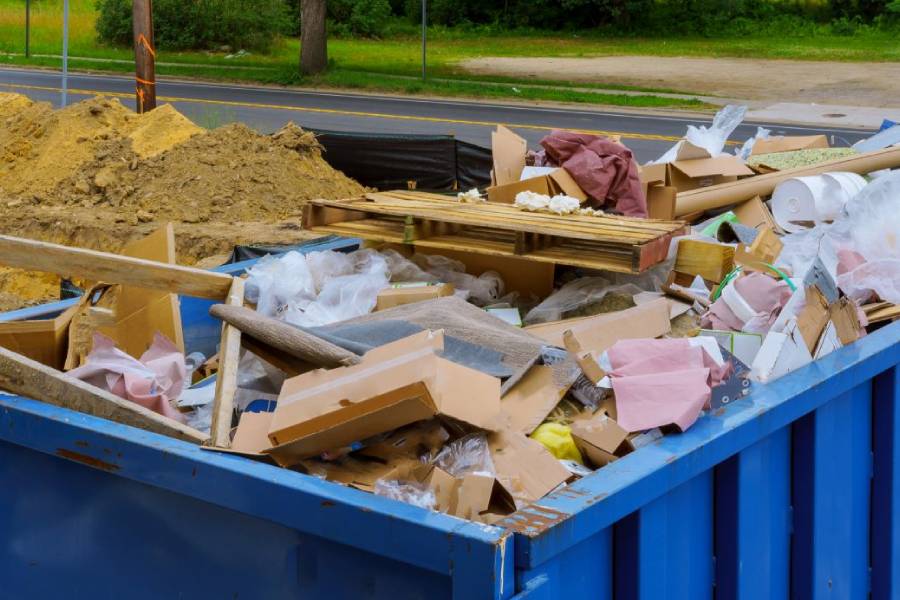
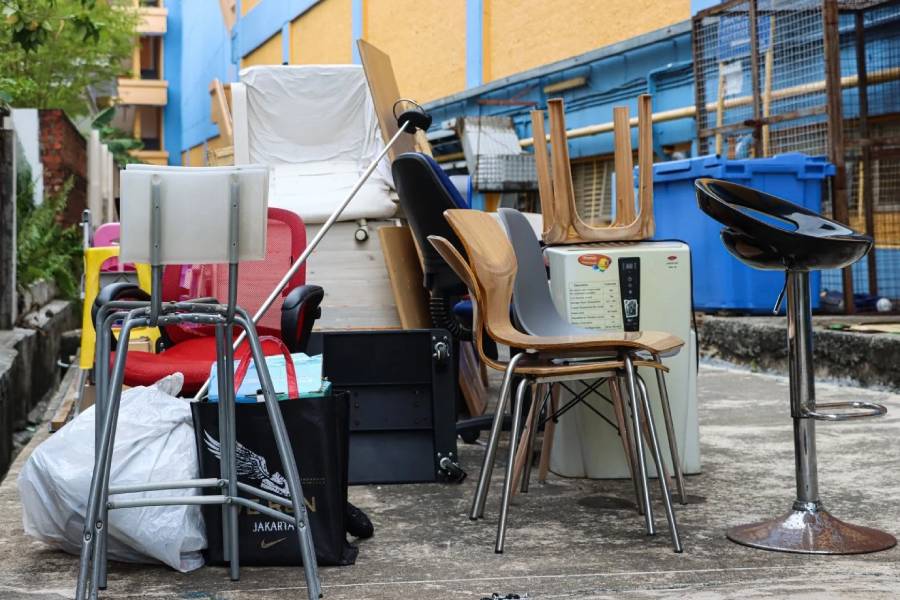
Island Transport provides bulky item disposal services designed to support households and businesses in safely removing large, heavy, or unwanted items across Singapore. Bulky disposal requires proper handling, transport coordination, and adherence to local guidelines to ensure items are removed efficiently without causing damage to property or disruption to surrounding areas. Our services cover a wide range of items, including furniture, appliances, fixtures, and renovation debris.
We manage the full disposal process—from on-site assessment and removal to transport and proper disposal—using structured workflows and trained personnel. By combining safe handling practices with efficient logistics coordination, we provide a reliable and hassle-free solution for clearing bulky items.
Assessment, Classification & Disposal Planning
Effective disposal begins with assessing the type, size, and condition of items. We classify items based on material type, handling requirements, and disposal method, allowing us to determine the appropriate approach for removal and transport.
This includes identifying whether items require dismantling, special handling, or segregation for recycling or general disposal. Proper planning ensures that removal is carried out efficiently while minimizing handling time and reducing operational risks.
Safe Removal & Controlled Handling Procedures
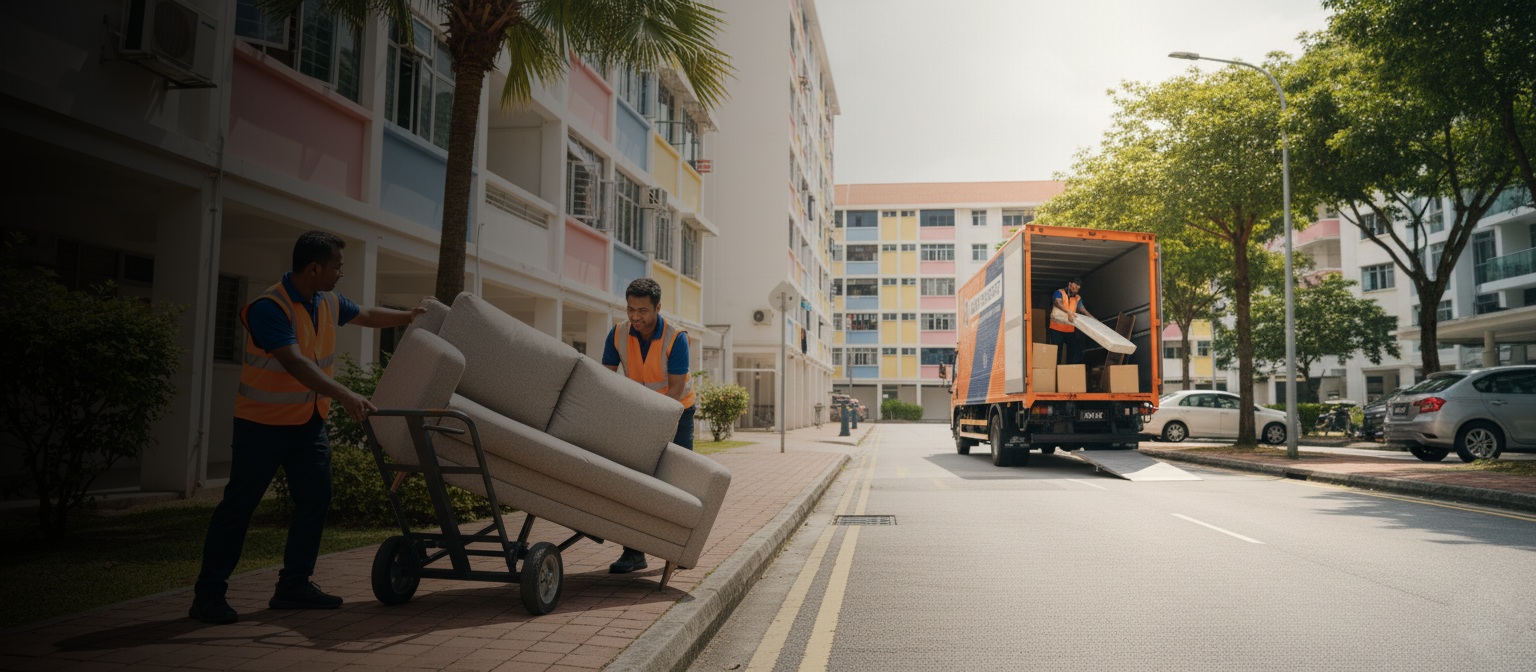
Bulky items such as wardrobes, sofas, refrigerators, and large fixtures require controlled handling to ensure safety and prevent damage to property. Our team uses proper lifting techniques, handling equipment, and coordinated movement to manage these items effectively.
Where access is restricted, items may be dismantled or repositioned to facilitate safe removal through lifts, corridors, or staircases. These controlled procedures reduce the risk of injury, property damage, and operational delays during disposal.
Loading, Transport & Disposal Logistics
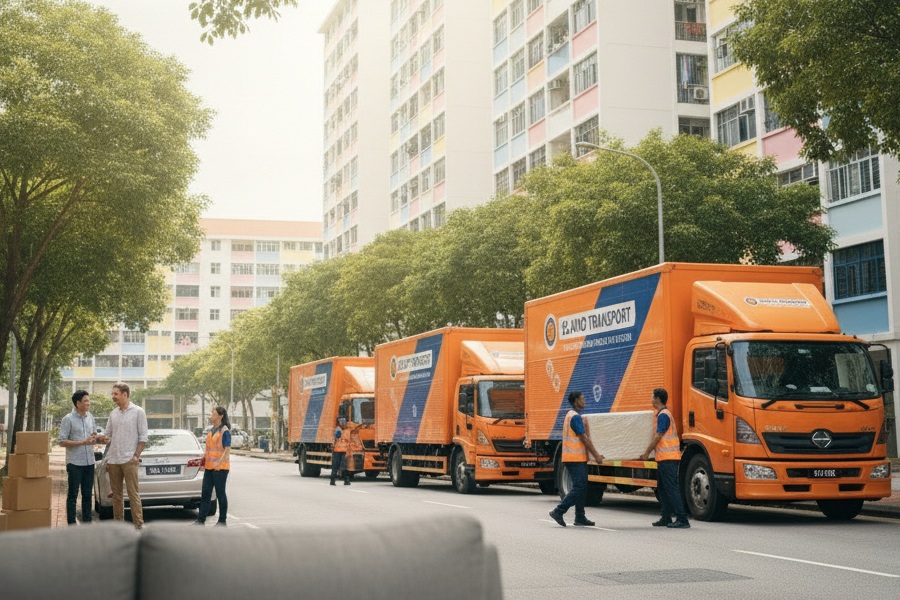
Once items are removed, they are loaded systematically into vehicles based on size, weight, and disposal sequence. Proper load distribution ensures vehicle stability during transit and prevents shifting that could cause safety issues.
Transport routes are planned to optimize efficiency between pickup locations and disposal facilities. By coordinating loading and routing effectively, we ensure that disposal operations are completed in a timely and organized manner.
Compliance with Local Disposal Guidelines
Bulky item disposal must comply with local regulations and environmental practices. Our processes are aligned with general disposal guidelines, ensuring that items are directed to appropriate facilities for disposal or recycling where applicable.
We implement segregation practices for recyclable materials and ensure that waste is handled responsibly. This supports compliance while reducing environmental impact and maintaining proper disposal standards.
Efficient Clearance for Residential & Commercial Needs
Our bulky item disposal services support a wide range of scenarios, including home decluttering, office clearance, renovation clean-ups, and property handovers. By removing large items efficiently, we help clients free up space quickly and prepare properties for their next use.
Structured workflows and coordinated execution ensure that clearance is completed with minimal disruption. Island Transport provides a practical and reliable solution for managing bulky disposal requirements across Singapore.
What items can you dispose of? Furniture, appliances, fixtures and renovation debris, for both residential and commercial properties. Do you dismantle items before removal? Yes, items are dismantled or repositioned where needed to allow safe removal through lifts or stairs. Do you recycle where possible? Yes, we segregate recyclable materials and ensure waste is handled responsibly per disposal guidelines. Is this suitable for renovation clean-ups? Yes, it supports home decluttering, office clearance, renovation clean-ups and property handovers. How is safety managed during removal? Through proper lifting techniques, handling equipment, and coordinated movement to prevent injury or damage.Frequently Asked Questions